
Restoring a historic building is about much more than what you see when the project is complete. Some of the most important work takes place behind the walls, beneath the floors and above the ceilings—carefully combining traditional craftsmanship with modern building standards to ensure these buildings remain fit for future generations.
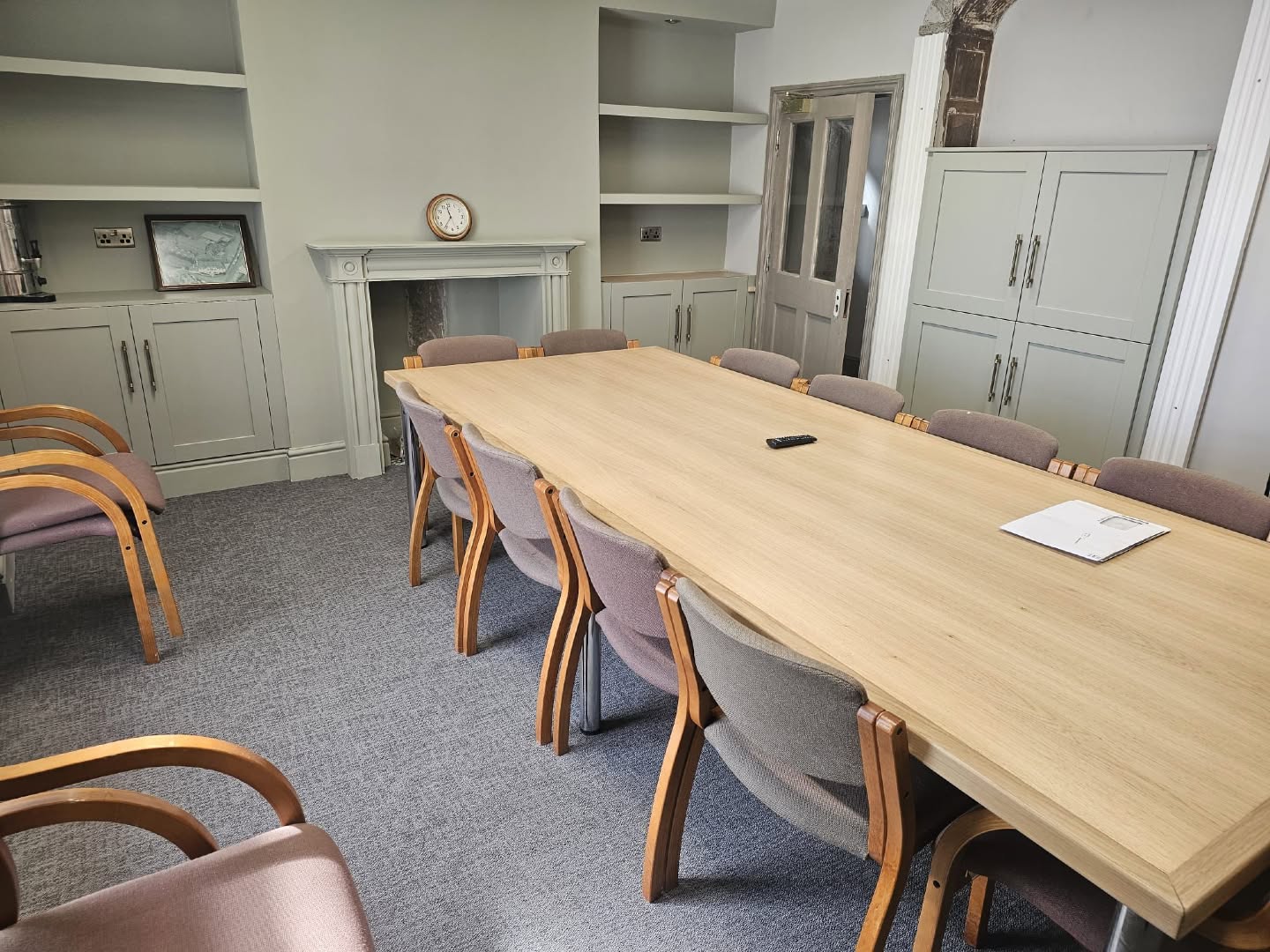
At Charles Williams Primary School, one room perfectly demonstrates this approach.
As part of the wider restoration project, the space has been carefully stripped back to expose the original building fabric, allowing our team to remove inappropriate modern materials and carry out essential conservation works using traditional techniques.
Respecting the Building’s Heritage
Over time, many historic buildings have been altered using materials that are no longer considered suitable for traditional construction. One of the first stages of this project involved removing the existing cement render, allowing the building to breathe as originally intended.
The walls have since been reinstated using traditional lime plaster, a material that is far more sympathetic to historic masonry and helps manage moisture naturally, supporting the long-term health of the building.
Combining Traditional Craftsmanship with Modern Performance
While preserving the character of the building is always our priority, restoration projects must also meet today’s standards for safety, comfort and performance.
As part of these works, we have carefully integrated modern fire protection measures and acoustic improvements without compromising the building’s historic character.
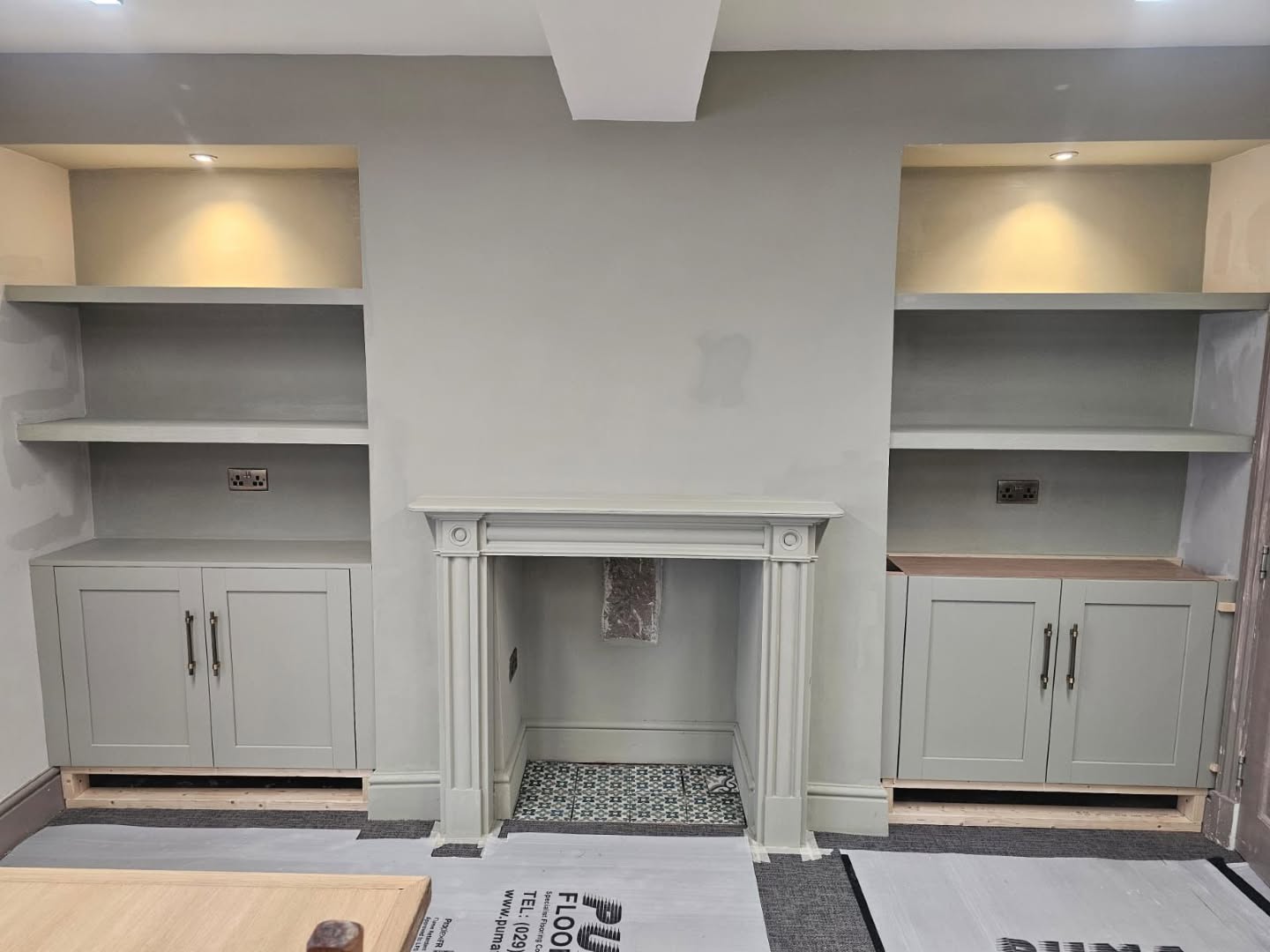
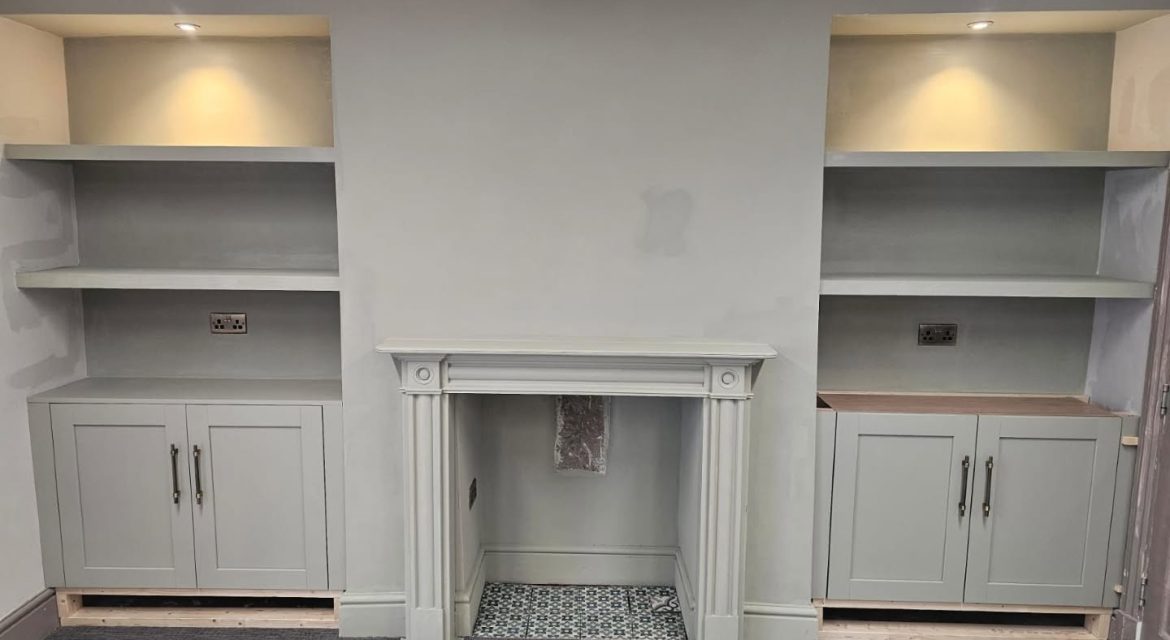
The works completed within this room include:
- Removal of inappropriate cement render.
- Installation of bespoke timber windows.
- New fire and smoke protection measures.
- Fire cavity barriers and compartmentation works.
- Soundproofed ceiling installation.
- Traditional lime plaster finishes.
- Bespoke joinery crafted to complement the original building.
Each element has been carefully considered to balance conservation principles with the practical requirements of a modern educational environment.
Preserving Historic Buildings for Future Generations
Projects like Charles Williams Primary School highlight the importance of sympathetic restoration. The finished result will not only retain the building’s architectural character but also provide a safer, more comfortable and more sustainable environment for those who use it every day.
At AGA Heritage Conservation, we believe successful restoration is often defined by the work that remains unseen. It’s the careful attention to detail, the use of appropriate traditional materials and the integration of modern performance standards that ensure historic buildings continue to thrive for many years to come.
We’re proud to be part of the ongoing restoration of Charles Williams Primary School and look forward to sharing further progress as the project develops.